
Paladin Energy unveils production guidance for Langer Heinrich Uranium Mine
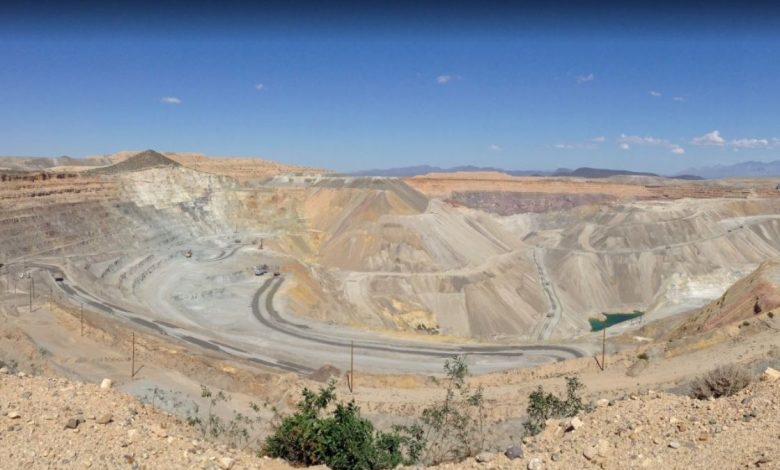
Paladin Energy, listed in both Australia and Canada, has released its operational and financial outlook for the 2026 fiscal year, signaling a production boost at its Langer Heinrich Mine (LHM) in Namibia.
The company anticipates producing between 4.0 and 4.4 million pounds of uranium oxide (U3O8), with expected sales ranging from 3.8 to 4.2 million pounds. This growth outlook comes as the mine shifts from relying on stockpiled ore to processing newly mined material.
Production costs are estimated at $44 to $48 per pound, while capital and exploration spending is forecast between $26 million and $32 million. Paladin aims to complete the ramp-up of LHM operations by June 2026, with full-scale production projected to begin in the following year.
FY2026
At the start of FY2026, the mine had 2.2 million tonnes of medium-grade stockpiled ore and nearly half of its mining fleet operational. The remainder of the fleet is scheduled for delivery and commissioning later in the fiscal year.
In the fiscal year ending June 30, 2025, LHM produced 3.02 million pounds of U3O8, including nearly 994,000 pounds in the fourth quarter—a 33% increase from the previous quarter. The quarter also saw a record crusher throughput of 1.17 million tonnes and an 87% plant recovery rate.
Annual sales reached 2.71 million pounds, with an average realised price of $65.70 per pound. In the fourth quarter, the realised price declined to $55.60 due to timing of shipments and contract variations. Meanwhile, the unit production cost improved, falling to $37.50 from $40.60 per pound.
Paladin reported that all customer deliveries were fulfilled and noted the addition of a new uranium sales agreement, bringing its total to 13 active contracts with key clients across the US, Europe, and Asia. Chief Operating Officer Paul Hemburrow, who takes over as Managing Director and CEO in September, highlighted the strong performance during the quarter, crediting the successful restart of mining operations and establishment of the G pit area.
In Canada, exploration at the Michelin project continued, with drilling efforts focused near the main deposit. The company spent $6.9 million on exploration there during the year. At the Patterson Lake South project in Saskatchewan, Paladin received formal approval of its final environmental impact statement and recorded some of the most notable radioactivity findings outside its primary deposit. The company concluded the quarter with $89 million in cash and access to an undrawn $50 million revolving credit facility, providing a strong financial base for its expansion initiatives.