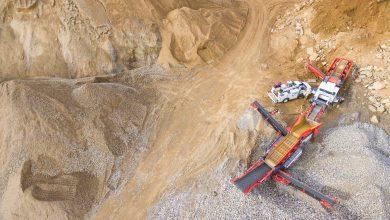

Namibia announces ban on export of unprocessed critical minerals

The government of Namibia has announced a ban on the export of unprocessed lithium and other critical minerals. This decision is driven by the country’s desire to capitalize on the increasing global demand for these metals, which are essential for clean energy technologies.
Namibia possesses significant lithium deposits, a crucial component for renewable energy storage. Additionally, the country has rare earth minerals like dysprosium and terbium, which are necessary for permanent magnets in electric car batteries and wind turbines.
Namibia’s information ministry stated that the Cabinet has approved the prohibition of exporting specific critical minerals, including unprocessed crushed lithium ore, cobalt, manganese, graphite, and rare earth minerals. However, small quantities of these minerals may be allowed for export with the approval of the mines minister.
Tax imposition
Namibia is known for its production of uranium and gem-quality diamonds, but its battery metals have been garnering increasing attention as the world moves toward cleaner energy sources. The country signed an agreement last year to supply rare earth minerals to the European Union as part of the bloc’s efforts to reduce reliance on China for critical minerals.

Several companies with critical minerals projects in Namibia include Prospect Resources and Arcadia Minerals, both listed in Australia, as well as Askari Metals, Celsius Resources, and Namibia Critical Metals. These companies are involved in the development of projects related to cobalt and rare earth minerals in Namibia.
In a similar vein, Zimbabwe, another African lithium producer, implemented a ban on lithium ore exports in December of the previous year. Zimbabwe’s ban allows only concentrates to be shipped out, with the intention of encouraging lithium miners to produce battery-grade lithium locally. The country has also expressed the possibility of imposing a tax on the export of lithium concentrate in the future.