

Labour compliance by small subcontractors is critical for smooth projects
Why shared responsibility is key to sustainable growth in South Africa’s labour-intensive sector
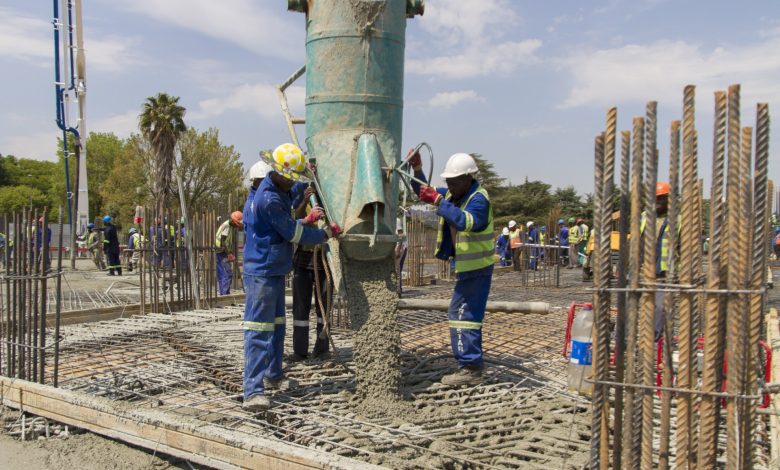
As a labour-intensive industry, civil engineering continues to play a vital role in driving economic growth and creating opportunities for small businesses and subcontractors. However, while the sector opens doors for emerging contractors, labour compliance remains a significant barrier to entry, especially when it is not embraced as a shared responsibility by both large and small players.

According to Lindie Fourie, Operations Manager at the Bargaining Council for the Civil Engineering Industry (BCCEI), many emerging contractors struggle with the systems and administrative capacity required to manage compliance effectively. In many cases, there is also a lack of understanding around the full scope of their obligations.
“Due to their size, they often don’t have dedicated human resources to handle compliance duties,” Fourie says. “Their focus is on securing work and delivering on site, so administrative requirements can easily become secondary.”
Despite these challenges, labour compliance remains a non-negotiable pillar of the civil engineering sector, regardless of company size. Importantly, it does not have to be a burden for smaller subcontractors, as structured support systems already exist within the industry.

“The sector is committed to transformation and localisation, so there is no reason for small businesses to be excluded or non-compliant,” Fourie explains. “The BCCEI provides guidance and support, and many larger contractors run supplier and enterprise development programmes that assist emerging subcontractors.”
Labour compliance encompasses adherence to collective agreements, minimum wages, employee benefits and reporting requirements. The BCCEI plays a central role in regulating labour relations within the sector, providing a structured platform where organised labour and employers negotiate collective multiyear agreements.
“The issue of minimum wages is critical to sector stability as it ensures a level playing field for all companies,” Fourie says. “Collective agreements set the minimum standards so that every employee receives a fair wage and the BCCEI ensures compliance through its inspection processes.”

A key focus of the BCCEI’s awareness initiatives is ensuring that smaller subcontractors not only understand but correctly apply minimum wage requirements when preparing tenders and compensating workers. On any civil engineering project, all contractors and subcontractors are expected to operate under the same regulatory framework, protecting workers across the entire value chain.
“Compliance is vital,” she adds. “Without it, companies could undercut competitors by paying unfair wages. Given how labour-intensive construction activities are, wages represent a significant portion of project costs.”
Beyond regulation, larger contractors have an important role to play in strengthening compliance through enterprise and supplier development programmes. These initiatives often include mentoring, supervision and structured support aimed at helping emerging subcontractors build capacity, improve governance and operate sustainably.
“If contractors raise awareness about labour compliance and the BCCEI within their subcontractor base, projects are far more likely to run smoothly,” she explains. “Subcontractors need to understand compliance requirements before they even submit a formal quotation so that they can budget accurately for minimum wages and related obligations.”
Fourie emphasises that meaningful transformation goes beyond simply awarding work to smaller businesses. It requires actively equipping them with the tools and knowledge needed to operate lawfully within a regulated environment.
“Labour compliance must form part of procurement and enterprise development strategies,” Fourie says. “Without compliance, subcontractors risk fines, back pay liabilities and, in severe cases, being unable to complete the work. This can lead to job abandonment and disrupt the broader project.”

When compliance failures force subcontractors to withdraw from projects, the consequences can ripple across the entire construction value chain. Delays in service delivery, increased procurement costs and reputational risks for larger contractors are just some of the potential impacts.
Ultimately, strengthening labour compliance is not just about enforcement, it is about building a more inclusive, fair and sustainable civil engineering sector where both established companies and emerging contractors can thrive.