
Kenya eyes excise duty on coal
The government of Kenya is eyeing introduction of excise duty on coal with a goal of increasing government revenue.
The decision follows President William Ruto’s expressed support for mining local coal reserves, highlighting the need to utilize domestic resources rather than relying on imports. By taxing coal, the government aims to generate additional funds that can be used for various public initiatives and services.
The draft 2024 Budget Policy Statement (BPS) released by the National Treasury outlines the government’s strategies for increasing revenue. The proposed excise duty on coal is part of a broader approach that includes various tax heads such as income tax, VAT, excise duty, and customs duty.
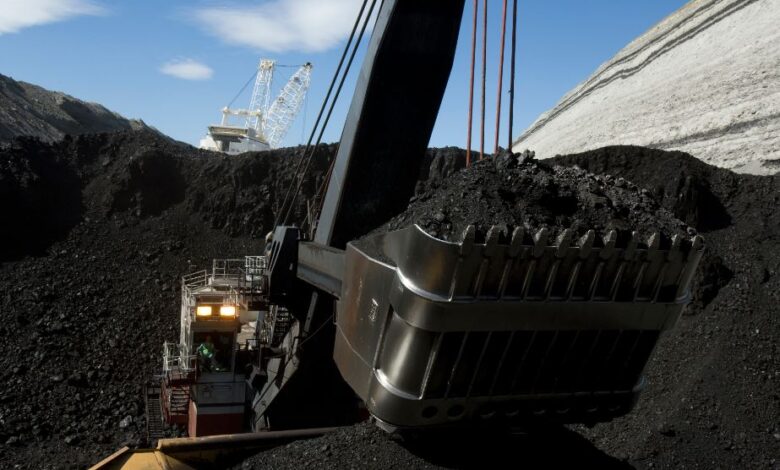
Coal mining
Coal is a crucial energy source for heavy industries, particularly cement and steel manufacturers. These industries import large quantities of coal annually to fuel their plants. The imposition of excise duty could impact the production costs of these industries, potentially influencing their competitiveness.

Kenya has proven coal reserves in the Mui Basin, with substantial deposits identified in various blocks. The move to tax coal aligns with President Ruto’s support for tapping into these local resources to reduce the country’s dependence on imported coal.
The Energy and Petroleum Regulatory Authority (Epra) recognizes coal as a low-cost fuel suitable for industrial heating and power generation. However, it’s important to note that the country’s attempt to generate coal power on a grid level faced challenges, including environmental concerns and withdrawal of key funders.
Epra has licensed three captive coal generation plants for power generation, indicating the growing prominence of coal as a captive power source in industries. The licensed plants—Devki Energy, National Cement, and Cemtech Limited—have a total capacity of 58.5 megawatts (MW).
The specific rate at which the excise duty on coal will be set is yet to be disclosed. The success of this initiative will likely depend on how well the government balances revenue generation with addressing concerns related to environmental impact and industrial competitiveness.