
Genius Metals, Société Bleida ink deal on BMR Cu-Au project in Morocco
Genius Metals Inc. and Société Bleida Mineral Ressources SARL have sealed an option agreement to acquire a 100% interest in the BMR Cu-Au project in Morocco.
The BMR Copper prospect spans approximately 9 km² southeast of Ouarzazate and is accessible via national road N9 and a 2 km track. The project area is characterized by historical copper and manganese workings in Ediacaran volcanic and volcano-clastic terrains.
This option agreement was negotiated at arm’s length, and the company aims to explore and develop the BMR project while continuing to advance its North American assets. The BMR Copper prospect covers an area of approximately 9 km², located southeast of Ouarzazate. It is accessible via the national road N9, which connects Ouarzazate and Zagora, and by a 2 km track from kilometre 24 of road N9.
The permit area, characterised by historical copper and manganese workings, comprises predominantly volcanic and volcano-clastic terrains of Ediacaran age. The property contains two main zones of mineralisation with varying styles of copper mineralisation.

Mineralisation
In the southern part of the property, there is a subvertical mineralised structure with a 1.2 km strike length and up to 5 m width, characterized by tectonic brecciation within a shear zone exposed at the surface. This structure is a brecciated quartz-carbonate vein with variable portions of chalcocite and malachite.
The main zone of mineralisation varies from 0.5 m to 3 m in width, locally reaching over 5 m, and contains massive sulfide veins that dip steeply eastward. Initial surface sampling by Genius Metals from the exposed structure returned values up to 11.73% Cu and 5.53 g/t Au.
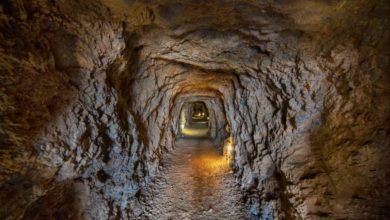
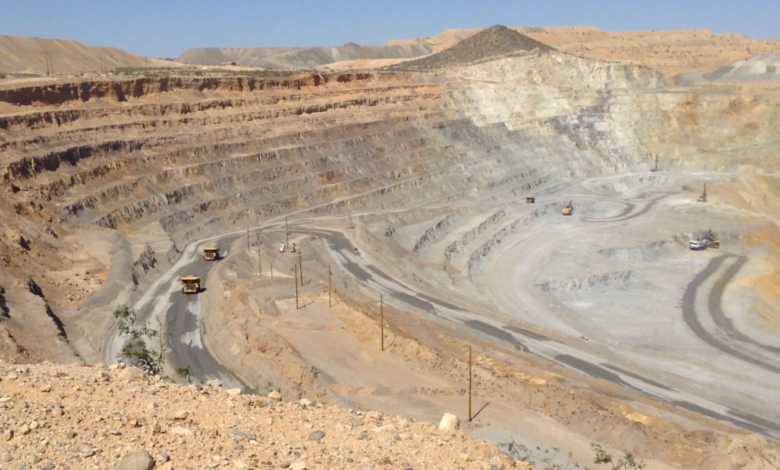
In the northern part of the property, there is a historical copper quarry from which approximately 4000 t of material were extracted, most of which remains on the property. The copper mineralisation in this area occurs in veins or is disseminated within the volcanic rocks (rhyolite and porphyritic rhyodacite). The mineralisation is late to post-volcanic in age and appears to be controlled by magmatic and tectonic structures. A zone of propylitic alteration surrounds this mineralisation.
An independent Canadian exploration consulting group is currently surface sampling exposed structures and trenches to test for copper mineralisation and assess the gold potential, as the property has never been tested for gold.