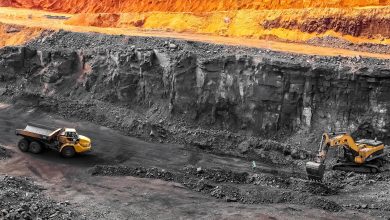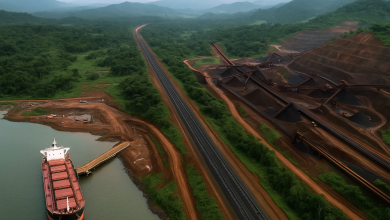

Botswana and Zambia call for deeper regional cooperation on mining, energy and industrialisation
Leaders emphasise beneficiation, energy security and Africa-led development
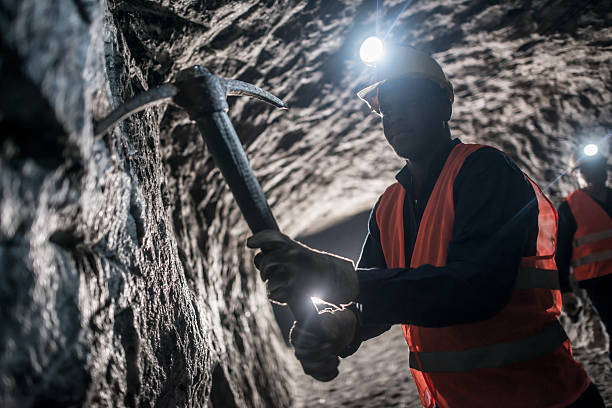
Botswana and Zambia have positioned themselves as strategic partners in Africa’s drive toward mineral beneficiation, energy security, and regional industrialisation, as leaders from both countries called for stronger cooperation and long-term investment.
The remarks were made at Brand South Africa’s Investing in Africa Mining Indaba Welcome Reception on Sunday evening, where policymakers and industry leaders discussed the future of mining and industrial development on the continent.
Botswana’s Minister of Mineral Resources, Green Technology and Energy Security, Bogolo Kenewendo, said the country is deliberately transitioning away from a purely extractive mining model toward one anchored in industrialisation, energy resilience, and regional value chains.
Kenewendo said Botswana’s reputation as a stable, transparent, and well-regulated mining jurisdiction provides a strong platform for its next phase of growth, which will focus on beneficiation, downstream manufacturing, and cross-border integration.

“We are looking for serious partners, and not exploitation and exploration, but in beneficiation, in processing, and in the downstream manufacturing. If your minds are thinking beyond the pit into smelting, refining, fabrication, or regional supply, Botswana wants to work with you now,” she said.
She stressed that reliable energy supply is fundamental to industrialisation, noting that Botswana is expanding its power base through renewable energy, base-load generation, and cross-border power agreements within the Southern African Power Pool, including cooperation with Zambia, Namibia, and South Africa.
Zambia echoed the call for stronger regional collaboration. Mulumba Lwatula, Head of Investments: Mining and Energy at the Industrial Development Corporation of Zambia, said Africa must shape its own development trajectory by leveraging continental strengths and partnerships.
Lwatula said Zambia now sees itself as “land-linked” rather than landlocked, positioning the country as a logistics and trade hub within the African Continental Free Trade Area (AfCFTA).
He added that Zambia is implementing mining sector reforms and creating platforms for cooperation with junior explorers, major mining companies, and regional governments to expand copper production and support the global energy transition.
According to Lwatula, deeper regional cooperation, particularly with South Africa’s established mining infrastructure and expertise, will be essential to building human capital, scaling production capacity, and strengthening Africa’s participation in global value chains.