
Barrick suspends operations at Loulo-Gounkoto complex in Mali
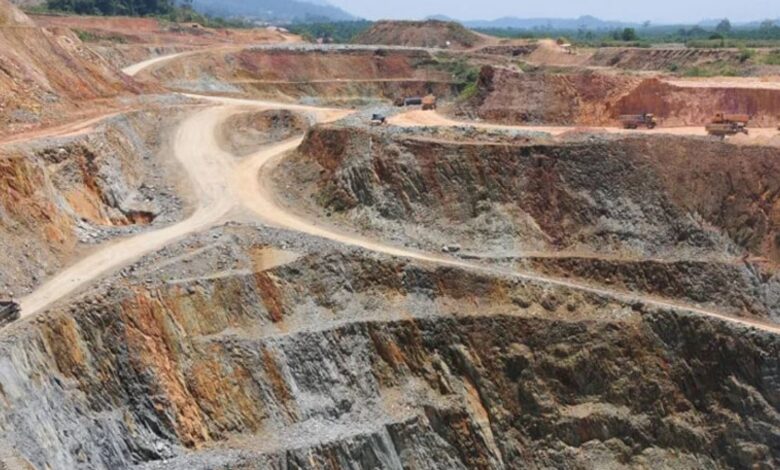
Barrick Gold has suspended operations at the Loulo-Gounkoto complex in Mali underscores a high-stakes standoff between the mining giant and the Malian military-led government. The situation arises from escalating tensions over alleged back taxes, restrictive export measures, and the broader redistribution of economic benefits under Mali’s revised mining code.
The Malian government moved approximately $245 million worth of gold from Loulo-Gounkoto to the state-owned Banque Malienne de Solidarité. This follows months of restrictions on gold shipments from the site.
Barrick has halted activities at the complex, which produced nearly 700,000 ounces of gold in 2023 and accounts for about 14% of Barrick’s forecast production for 2024. Mali claims Barrick owes $512 million in back taxes, a figure Barrick disputes. Arbitration proceedings have been initiated through the International Centre for the Settlement of Investment Disputes (ICSID).
Mining regulations
Mali’s updated mining regulations aim to increase state stakes in mining projects, sparking disputes over revenue distribution. Employee Detentions: Several Malian employees of Barrick remain detained on charges the company describes as baseless, further straining relations. Mali has also issued an arrest warrant for CEO Mark Bristow.

The suspension disrupts operations and impacts shareholder confidence, as evidenced by a 20% drop in share price since October. For Mali: The Loulo-Gounkoto complex contributes significantly to the economy, accounting for 5%-10% of GDP and 80% of export revenue. The suspension jeopardizes economic stability and employment for 8,000 workers.
Barrick has emphasized its commitment to negotiating a new memorandum of agreement to resolve disputes and redefine its partnership with Mali. However, the suspension highlights the challenges of operating in politically volatile regions and navigating regulatory changes.
The outcome of this dispute could set a precedent for Mali’s relationship with foreign investors in the mining sector, critical to its economy. Both parties face significant stakes, with the potential for broader implications for investor confidence in the region.