
Algeria unveils new phosphate mine project
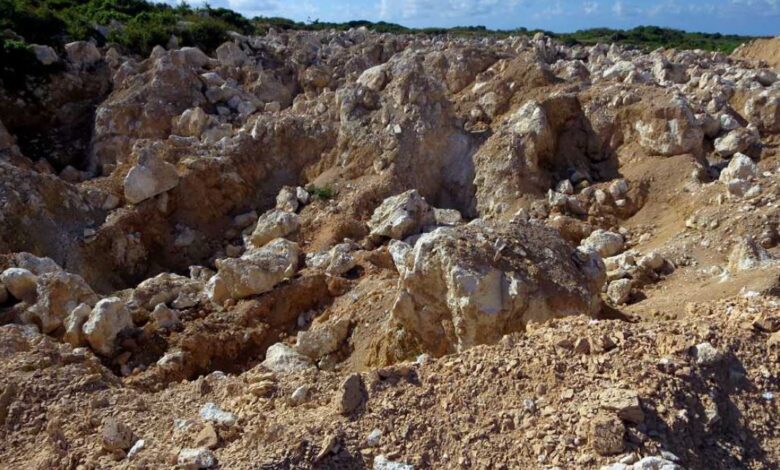
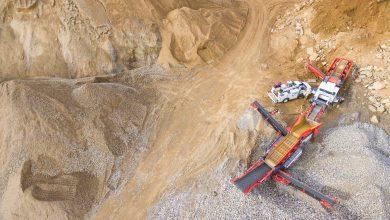
Algeria has initiated the development of a significant phosphate mining project in Bled El Hadba, located in the Tebessa province in the country’s northeast. The project, overseen by Energy and Mines Minister Mohamed Arkab, is part of an integrated initiative aimed at extracting, converting, and exporting phosphate while boosting fertilizer production to support agricultural self-sufficiency.
The Bled El Hadba mine holds an estimated 1.2 billion tonnes of phosphate reserves, with over 800 million tonnes deemed extractable. The mine is expected to remain productive for up to 80 years. By 2027, the mine is projected to produce over 5 million tonnes of phosphate annually and facilitate the manufacture of approximately 5 million tonnes of phosphate fertilizers.
Strategic goal
The project aligns with Algeria’s strategic goal of achieving food self-sufficiency by supporting fertilizer needs for expanding agricultural activities. It is expected to enhance the national mining industry and contribute to the economy through phosphate exports. The development will rely entirely on Algerian expertise, with the involvement of state-owned companies Sonatrach and Sonarem, supported by experts from Algerian universities.
This initiative underscores a commitment to utilizing local human resources and technology. The construction phase is set to last two years, with effective mining operations scheduled to begin in early 2027 following directives from President Abdelmadjid Tebboune.

The project spans three provinces—Tebessa, Souk Ahras, and Annaba—and involves the establishment of facilities for phosphate extraction and fertilizer production. By leveraging its substantial phosphate reserves, Algeria aims to strengthen its position in global fertilizer markets while ensuring domestic agricultural growth.