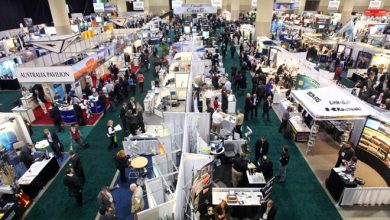

Afrisam budget breakfast highlights economic upside from commodity price surge
Surge in gold, platinum, rhodium and palladium prices presents a R350 billion windfall, offering opportunities for infrastructure investment and construction sector revival.
The strong rally in commodities such as gold, platinum, rhodium and palladium is creating significant opportunities for South Africa to accelerate its economic turnaround.
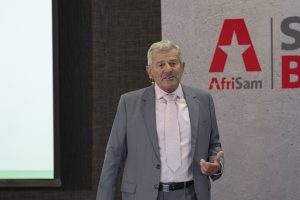
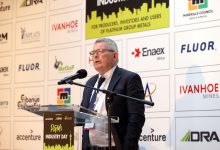
Speaking at AfriSam Annual Budget Breakfast in February, Dr Azar Jammine described the surge in commodity prices as having an “absolutely enormous” impact on the South African economy.
This year marks the eighth consecutive year that AfriSam has hosted the event, which gathers stakeholders from across the construction sector. The steadily increasing attendance underscores the forum’s value as a platform for industry insight and engagement.
Dr Jammine estimated that about R350 billion is flowing into the country from commodity sales, arriving at a time when the economy was beginning to recover toward the end of last year. This comes after a prolonged period of sluggish growth, during which South Africa lagged behind global levels, leading to a 6%–7% decline in living standards over eight years.
He highlighted the critical opportunity for government to channel this windfall into fixed capital formation through targeted infrastructure investment, creating an environment conducive to business growth.
“If this can be converted into real investment in new exploration and development in the mining sector, the knock-on effects through the rest of the economy could be unbelievable,” Dr Jammine said.
The third quarter of 2025 saw a modest uptick in fixed investment of 1.1%, the first positive movement in two and a half years. The Medium-Term Budget Policy Statement released in November 2025 also indicated that the Government of National Unity was beginning to deliver positive results, particularly by committing to fiscal discipline.
Higher commodity inflows have strengthened the rand against the US dollar, helping reduce inflation to around 3.5%, close to the government’s 3% target. Lower long-term interest rates have also resulted in savings on government debt servicing, Dr Jammine noted.
Reflecting international confidence, ratings agency S&P Global upgraded South Africa’s credit rating for the first time in 16 years.
Construction sector poised for recovery
Turning to the construction sector, Dr Jammine emphasized that it remains under pressure due to years of underinvestment in fixed capital.
“Construction, comprising both building and civil engineering, is still about 30% below where it was in 2010,” he said, while noting that the agricultural sector has grown around 70% since 2010. Employment in construction has declined by roughly 5% since 2019, making it one of the weakest-performing sectors.
Much of this decline is attributed to deterioration in state-owned enterprises, which have suffered infrastructure decay linked to past governance challenges. Dr Jammine called for decisive action to address crime, corruption, and procurement inefficiencies that hinder investment and service delivery.
Private sector investment, though gradual, has continued to grow, offering a glimmer of hope. Residential building plan approvals remain subdued, at 40–50% below their peak, and non-residential plans are down by around 85% from a decade ago.
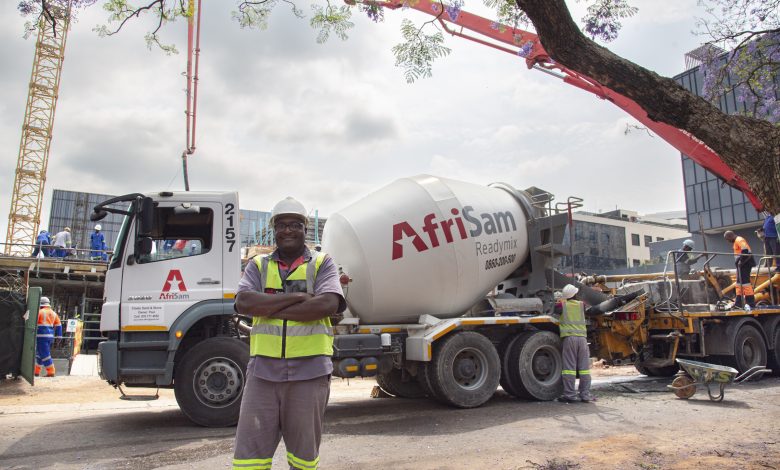
Despite these challenges, renewed investment in infrastructure and mining development is expected to boost demand for construction materials, creating opportunities for suppliers like AfriSam, a leading provider of cement, aggregates, and readymix concrete for major projects.