
Minerals council calls for action on regulatory bottlenecks in mining
Urgent regulatory and operational reforms needed to attract investment, boost exploration, and grow jobs in South Africa’s mining sector
South Africa’s mining sector continues to face regulatory and operational bottlenecks that must be addressed to unlock its full potential and attract long-term, sustainable investment in exploration and mining projects. Mining and its direct suppliers support nearly 900,000 jobs and the livelihoods of 3.6 million South Africans, making it a powerful economic multiplier.
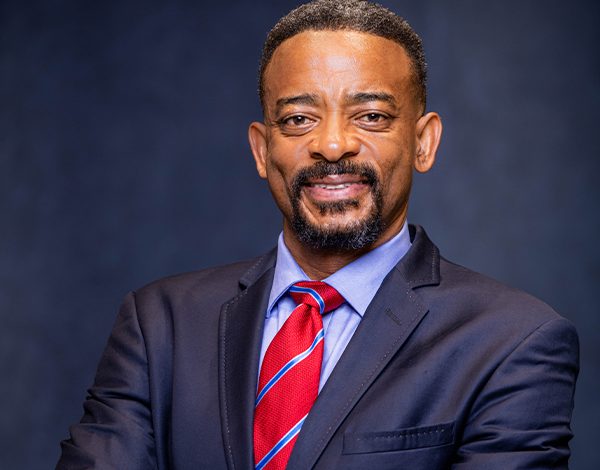
At the 2026 Investing in African Mining Indaba in Cape Town, Minerals Council South Africa CEO Mzila Mthenjane stressed that growing the sector requires a globally competitive regulatory and operating environment. Members of the Minerals Council account for 90% of South Africa’s annual mining turnover.
“The mining sector cannot improve investor confidence alone. It is only through partnerships, particularly with the government and, more specifically, the Department of Minerals and Petroleum Resources (DMPR), that a collaborative approach to creating a conducive regulatory and operating environment can be created and sustained,” Mthenjane explained.
The Minerals Council described the first iteration of South Africa’s Mineral Resources Development Bill, gazetted in May 2025, as “disappointing.” According to the Council, the Bill did not encourage or sustain the growth and investment needed for mining to realize its full potential in employment creation, economic stimulus, and social development.
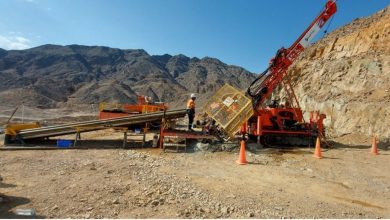
Mthenjane highlighted the critical importance of exploration for the sector’s future. In South Africa, exploration expenditure fell to R781-million in 2024, down from a peak of R6.2-billion in 2006, according to Stats South Africa. “This is deeply troubling for our sector, and it needs urgent attention,” the Minerals Council noted.
Since May 2025, the Council has engaged constructively with the DMPR to address members’ concerns with the Bill. Mthenjane said,
“We anticipate the revised Bill, which we expect to be published in coming weeks, will reflect our inputs to ensure mining attracts investment in exploration, mine development and existing operations. We are cautiously optimistic but if the revisions mirror the first iteration of the Bill, we will continue robust engagements with the DMPR.”
Progress has been made through Operation Vulindlela, a government-business partnership aimed at addressing crises in electricity, railways, and governance. Railway performance has stabilised, electricity generation has improved with the last loadshedding in May 2025, and initiatives to curb crime and corruption contributed to South Africa’s removal from the Financial Action Task Force grey list and an S&P credit rating upgrade in late 2025.
Mthenjane emphasized that underlying structural reforms, particularly in electricity, railways, and harbours, must not be delayed or altered to protect emerging positive sentiment towards South Africa’s mining sector. “South Africa’s mineral endowment is extraordinary. With the right reforms, strong partnerships and policy certainty, we can attract investment, create jobs and build a globally competitive mining sector that benefits all South Africans,” he concluded.