
Angola eyes strategic 20–30% stake in De Beers as African diamond giants seek united front
Angola’s measured bet on De Beers amid a shifting diamond market
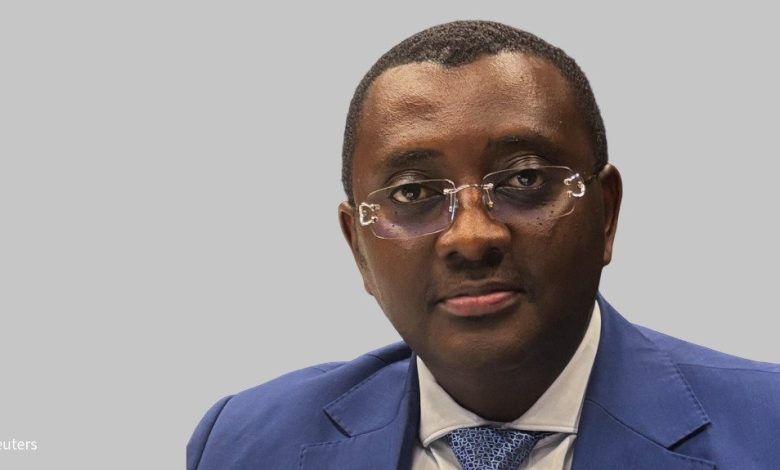
Angola is positioning itself for a significant but carefully balanced role in the future of De Beers, one of the world’s most iconic diamond companies. The southern African nation is now pursuing a 20% to 30% stake in De Beers; a move aimed at securing long-term economic sustainability while avoiding the risks tied to full ownership in a volatile luxury commodities market.
The proposal is currently being discussed with other major African diamond-producing nations, according to a senior official from Angola’s mining ministry, speaking to Reuters on Sunday.
De Beers, which operates across Botswana, Namibia, Angola, South Africa, and Canada, was put up for sale by parent company Anglo American amid declining diamond prices and intensifying competition from synthetic diamonds. While Angola initially submitted a bid for a majority stake in October 2025, the country has since reassessed its approach.
“Taking the majority stake within luxury commodities is very dangerous because it depends on the market,” Paulo Tanganha, Angola’s national director of mineral resources, told Reuters on the sidelines of an African mining conference in Cape Town.
“So, to de-risk that, we have to have a portion that is sustainable for our economy. And that range (is) between 20% and 30%, we are happy about that.”
Closed-door regional talks signal a collective African strategy
Angola’s earlier bid for majority control had raised the prospect of a bidding war with Botswana, which already owns 15% of De Beers and has publicly stated its intention to secure a controlling stake. Rather than escalating competition, however, regional players are now exploring cooperation.
Tanganha confirmed that Botswana, Angola, Namibia, and South Africa are engaged in closed-door discussions to align their interests and determine how each nation could benefit from ownership in De Beers. While no agreement has yet been reached, the tone suggests a growing emphasis on unity.
“There is a saying: together we are stronger. That’s the way we are doing it. And if my neighbour is suffering, I also suffer. So, we have to be together and fight together as a team,” Tanganha said.
For Angola, any stake in De Beers would be held through state-owned miner Endiama and the national diamond trading company Sodiam, acting on behalf of the government. While funding details remain undisclosed, Tanganha emphasized that Angola has “many sources of funding” available.
Meanwhile, Anglo American is reassessing the valuation of De Beers after reporting a drop in 2025 rough diamond production. Despite current market headwinds, Angola’s geological potential continues to draw attention. In a major development last year, De Beers and Endiama discovered a new kimberlite cluster in Angola, the first such find in three decades, reinforcing the country’s long-term promise in the global diamond supply chain.