

Smarter belt monitoring for safer, efficient conveyors
Why an integrated approach and the right OEM partner are transforming conveyor performance
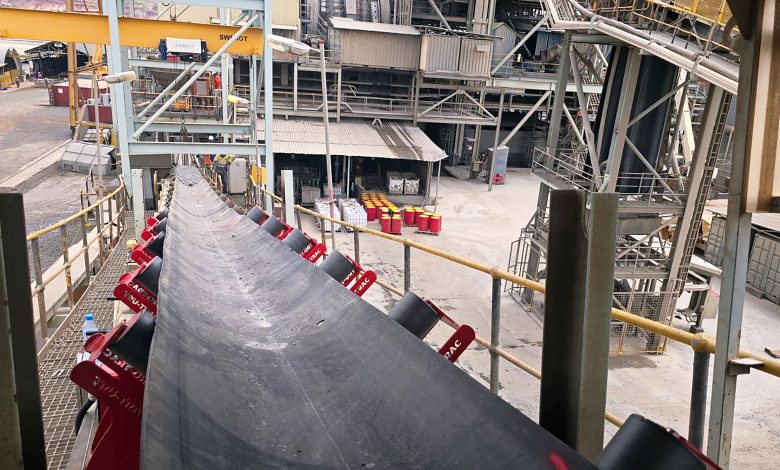
Conveyor systems are the backbone of material handling in mines, quarries, and bulk processing plants. They move massive volumes of material across long distances and through complex circuits, linking each stage of production. When they operate reliably, they underpin productivity.
When they falter, the knock-on effects can halt operations and increase costs within minutes. Spillage, carryback, misalignment, premature belt wear, and safety incidents can escalate quickly, and recovering from them is rarely straightforward.
Monitoring technologies have evolved rapidly over the past decade. What began with basic mechanical indicators has now become sophisticated, real-time digital systems capable of providing continuous insight into the performance of an entire conveyor line.
The opportunity for plant operators lies not simply in collecting more data but in taking an integrated approach that combines mechanical excellence, instrumentation, and actionable intelligence. The success of this integration is maximized when supported by a reputable conveyor systems OEM such as Tru-Trac.
Historically, monitoring meant responding to failures after production was disrupted. A tripped motor or overheated bearing signalled a problem, leaving maintenance teams scrambling to diagnose and repair issues.
The reactive model kept belts running but locked plants into cycles of unplanned downtime, expensive repairs, and higher safety risks.
The shift toward integrated monitoring began with broader visibility. Single-point alarms evolved into systems that track multiple parameters along the conveyor.
Today, belt tracking status, idler vibration, chute performance, scraper efficiency, bearing temperatures, power draw, belt wear, and load profiles can all be measured and correlated. By analysing these signals together, operators can see how minor deviations trigger cascading problems, such as misalignment leading to spillage, increased cleanup, and belt replacement.
Edge computing has brought monitoring closer to the source. Low-power devices can now process vibration, thermal, and acoustic data directly on idler frames or pulley housings. Early signs of wear or friction are flagged immediately, enabling targeted interventions before catastrophic failures occur.
The ultimate goal is actionable intelligence. Modern monitoring platforms translate sensor values into clear recommendations, such as which idlers to replace, where to re-tension scrapers, or when to inspect chute liners.
Integrating this data with a plant’s computerised maintenance management system ensures the right work orders, spares allocation, and technician readiness. This closes the loop from detection to intervention.
Mechanical excellence remains essential. Belts must track true, loading must be controlled, chutes must flow smoothly, and material must be cleaned effectively. Even the most sophisticated monitoring system cannot compensate for neglected fundamentals.
Hardware such as Tru-Trac belt trackers, scrapers, skirting systems, impact beds, and slider cradles form the foundation of reliable conveyor operation. Monitoring enhances these investments by confirming performance, providing proof of reduced carryback or improved alignment, and highlighting adjustments when required.
Integrated monitoring also supports sustainability and safety. Properly aligned and clean belts reduce energy consumption and mechanical stress, lowering operating costs.
Extending belt life decreases material usage and waste. Reducing spillage and dust improves compliance with environmental regulations and community expectations, while enhanced diagnostics ensure that safety systems function correctly for employees and regulators alike.
The economic case is clear. Unplanned downtime on a production-critical conveyor can cost tens of thousands of rand per hour. Identifying issues early allows operators to act before minor problems escalate. Energy savings from properly aligned belts, efficient maintenance scheduling, and planned interventions all contribute to reduced costs and improved uptime.
“An integrated approach to monitoring is no longer optional,” says Shaun Blumberg, COO of Tru-Trac.
“You cannot look at sensors in isolation or mechanics on their own. The real value comes when you combine proven hardware with smart monitoring, so you can prevent issues before they escalate and keep the operation running at peak efficiency.”
The right OEM partner makes all the difference. Experienced OEMs ensure monitoring is built on a solid mechanical foundation, provide lifecycle support, validate data, and integrate monitoring practically into operations.
A reliable partner also supplies spares, training, and rapid technical assistance, which is critical in regions affected by logistics or skills shortages.
A roadmap to success begins with a baseline survey of conveyor performance. Mechanical improvements such as upgraded trackers, scrapers, or impact systems are implemented first, followed by targeted monitoring to verify gains and catch regressions.
Combining mechanical expertise with digital oversight ensures that conveyors operate safely, efficiently, and sustainably.