
Why quality Aggregates are essential to strong, long-lasting construction
Getting the foundations right starts with aggregate quality
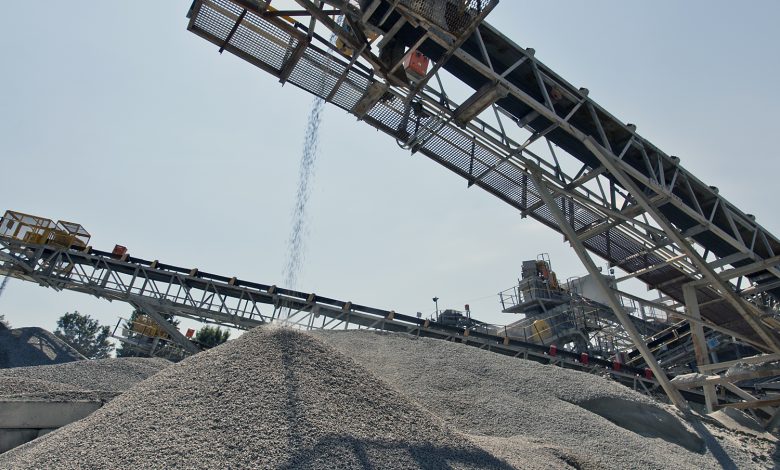
In construction, the performance of a structure is only as strong as the materials used to build it. While concrete, asphalt and base layers often take centre stage, the aggregates within them play a defining role in determining long term strength, durability and reliability.
Aggregate sizing and grading are not simply box ticking exercises. They are fundamental to how materials behave under load, how they compact on site, and how they perform over decades of use.
When aggregates are carefully sized and properly graded, they create stable, dense mixes that support structural integrity and consistent performance.
“Aggregate grading is about more than just particle size,” Amit Dawneerangen, Construction Materials Executive Sales and Product Technical at leading construction materials supplier AfriSam explains.
“It determines how the material compacts; how concrete mixes perform and how well load bearing structures can handle stress over time.”
When aggregates fall outside the required grading range, problems quickly emerge. Poorly graded material can create excessive voids in a mix, reducing density and weakening the finished structure.
Over time, this can result in cracking, shrinkage and water ingress, all of which compromise durability and shorten the lifespan of roads, buildings and infrastructure.
Well graded aggregates deliver the opposite effect. By forming dense, cohesive mixtures, they improve workability, reduce cement or binder demand and allow for more uniform compaction. The result is greater stability, improved load distribution, and stronger long-term performance.
Consistency in aggregate quality also plays a critical role in meeting design specifications and regulatory requirements.
Engineers design pavements and structures around defined grading envelopes, relying on repeatable material properties to ensure predictable outcomes.
Variability in aggregate sizing introduces risk, increasing the likelihood of underperformance or non-compliance.
Achieving this level of precision requires more than basic processing. It demands technical expertise, tightly controlled production systems, and ongoing testing. This is why the choice of supplier matters.
Trusted quarry and construction materials suppliers operate under strict quality management systems. They invest in calibrated crushing, screening and blending processes and support these with routine laboratory testing to ensure that every product delivered meets specifications.
“Partnering with an established, credible supplier provides confidence that every load delivered meets specifications,” Dawneerangen adds.
“It also means access to reliable technical advice and traceability from the source rock right through to the final product.”
Reputable suppliers extend their role beyond supply alone. Through collaboration with engineers and contractors, they help ensure the correct materials are selected for each application, whether for concrete, asphalt or base layers.
This proactive approach reduces the risk of costly rework and supports long-term asset performance.
In an industry where quality, compliance, and sustainability are increasingly non-negotiable, aggregate sizing and grading remain foundational to successful construction.
As Dawneerangen concludes, “Working with a trusted technically capable supplier is therefore not just a purchasing decision it is a quality assurance choice that safeguards the integrity and longevity of every project.”